Dear Friends,
2025 was a year of intentional growth—in our accomplishments and the infrastructure to sustain them.
When I joined Stroke Onward in early 2024, I spent the year listening and strategizing. In 2025, we executed.
Building Capacity & Financial Stability
Our Board invested definitively in our team. The right people are non-negotiable for mission-driven growth. We grew staff, strengthened operations, and built systems to serve survivors, carepartners, and professionals.
This investment, paired with your trust, positions Stroke Onward on solid financial footing entering 2026. Individual giving exceeded expectations—anchored by five-year supporters and new donors who mobilized at a pivotal moment. New corporate partners amplified our reach.
Together, these contributions deepened program delivery and built toward long-term sustainability. This is disciplined stewardship—positioning us to scale impact in the years ahead.
Three New Programs: Where Community Becomes Strategy
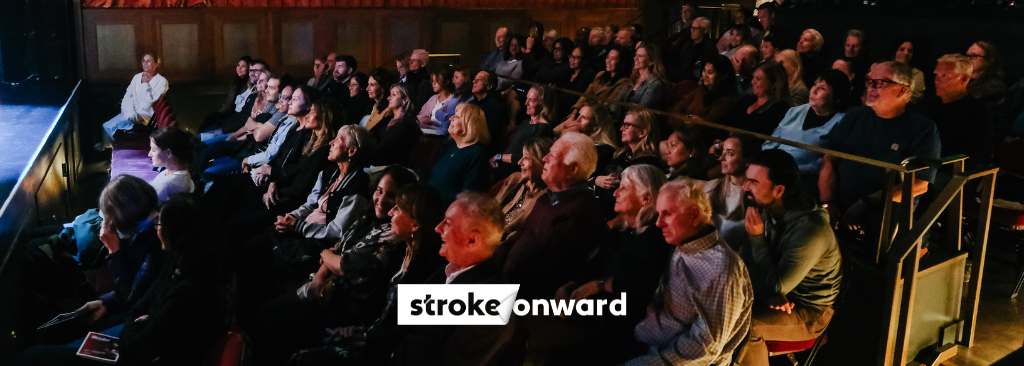
In 2025, we launched in-person programs across the country reaching over 600 participants—catalysts for connection and systems change.
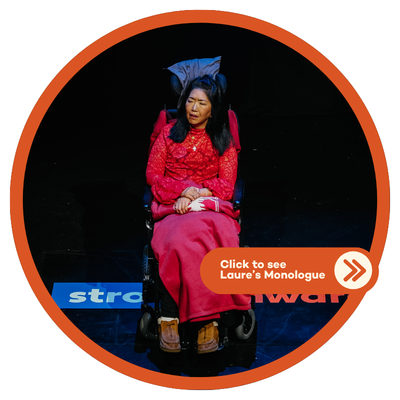
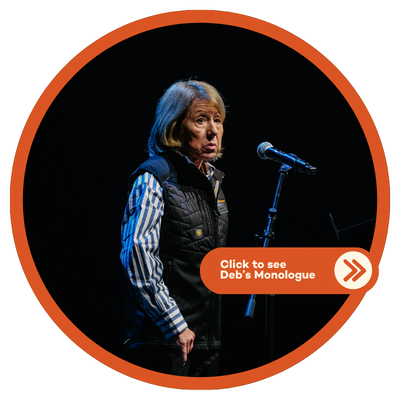
The Stroke Monologues gave those with lived experience a stage. Care Onward Panels brought healthcare professionals into dialogue, breaking down silos between academics, practitioners, and survivors. SOCC—Stroke Onward Community Circle—launched in October as a free, online community for recovery’s emotional and personal sides. Three programs. One mission: ensuring every stroke survivor and carepartner has a community that sees, hears, and walks with them.
This letter isn’t a monologue—it’s an invitation. What’s working? What’s not? Please reach out. Together, we will build a stroke system of care supporting every survivor’s ability to rebuild their identity and live a rewarding life.
Liz Wolfson
CEO, Stroke Onward
With Gratitude,
Liz Wolfson,
CEO, Stroke Onward
To the Stroke Onward Community.
When we launched Stroke Onward in 2019, we had a simple and clear vision: ensure that the healthcare system effectively supports every life impacted by stroke in the journey to reclaim a life of meaning, purpose, and pleasure.
Through firsthand experience, our original research for Identity Theft, and the deeper insights gained while writing the second edition, we learned that critical care intervention and rehabilitation are only the beginning of stroke recovery. The emotional journey of rebuilding identity and rewarding lives is a life-long challenge, and maybe the greatest challenge in recovery.
In 2025, with Liz Wolfson at the helm, we were thrilled to see our vision and early work begin to transform into a movement.
Our gatherings in 2025 across five cities brought together key actors from numerous viewpoints and expertise, all working on a common agenda. More than 600 survivors, carepartners, clinicians, researchers, and innovators showed up—not as spectators, but as co-creators of a new and more complete system of care. Stakeholder engagement is at the heart of collective impact, and it is now growing at Stroke Onward quickly and with intention.
Complex social problems require complex solutions. That’s why we built Stroke Onward on the principle of collective impact—bringing together diverse voices to tackle the isolation, invisibility, and identity loss that too many survivors face.
To our Board: Your governance, generosity, and strategic guidance make all of this possible.
To our donors: Your investments—large and small—sustain our work and signal to the world that this work matters.
To our partners: Your collaboration amplifies impact beyond what any one organization could achieve on its own.
To those with lived experience: You are the reason we do this. And we can’t do this without your voices, your resilience, and your refusal to be defined by stroke. This is the movement.
We are grateful beyond words. Together, we can build a lasting legacy of hope, healing, and transformation.
With love and determination,
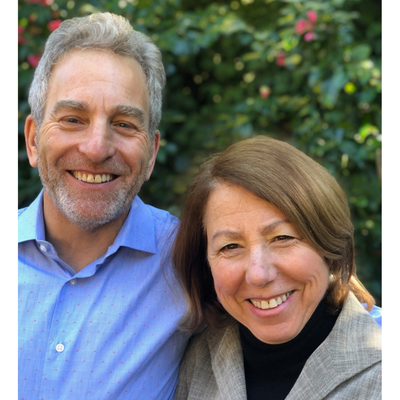
Debra Meyerson and Steve Zuckerman,
Co-Founders and Co-Chairs, Stroke Onward

The Stroke Monologues & Care Onward Panels: Stories That Move Us Forward
In 2025, we deepened our commitment to one truth: Stakeholders in stroke recovery need to be heard.
As part of our Collective Impact Gatherings strategy, Stroke Onward hosted events in 5 cities: Pittsburgh, Boston, Northampton, Oakland, and Palo Alto. These gatherings brought together key actors from numerous viewpoints working on a common agenda.
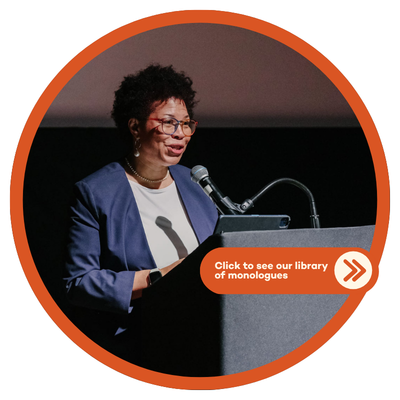
The Stroke Monologues brought together survivors, carepartners, loved ones, and professionals to perform curated stories drawn from their stroke journeys. These narratives honor the full spectrum of recovery—medical, emotional, and identity-shaping—through the power of witnessed testimony.
What began as an experiment in narrative, became one of our most powerful connection tools. Audience members didn’t just listen; they recognized themselves. They were moved.
Care Onward Panels brought leading healthcare practitioners into the spotlight through dynamic panel discussions designed to foster dialogue among practitioners from a multidisciplinary perspective. These conversations also included people impacted by stroke, ensuring that all dialogue is patient-centered.
These panels addressed critical aspects of post-acute stroke recovery, with a particular focus on the emotional journey of rebuilding identity, and the transitions and pathways survivors experience, as they work to flourish.
Together in 2025, these events involved more than 600 participants—and generated insights that are already shaping our work. Beyond attendance, they created something enduring:
Looking ahead, we’re planning to continue with both initiatives—more cities, more voices, more spaces where no one has to navigate this journey in silence. We are still learning what this model looks like and where our limits lie. But we’re moving forward with intention—building on what works, staying flexible on what doesn’t, and letting the knowledge we’ve gained guide our next steps.
In 2024, Stroke Onward began envisioning a strategy to address a persistent gap in stroke recovery: life after rehabilitation. In 2025, SOCC—Stroke Onward Community Circle—moved from concept to reality.
SOCC is a free digital community, bringing together stroke survivors, carepartners, healthcare professionals, and allied organizations committed to supporting identity rebuilding in recovery. SOCC is online, accessible to people regardless of location, and inherently scalable, as we grow.
Since launching at the end of October, SOCC has grown into an active hub for live programming, peer discussion, and emerging partnerships. Over 650 members–growing at a rate of 100 new members per month–participate in conversations and events focused on identity rebuilding, emotional well-being, creative expression, and practical navigation of life after stroke.
Importantly, SOCC now functions as a strategic platform for Stroke Onward—enabling partnerships, piloting new tools and approaches, and building the diverse, engaged community required to power future systems change across stroke recovery.
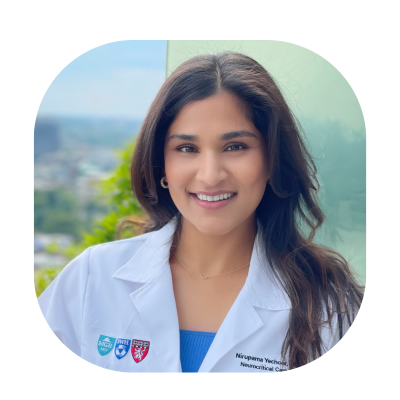
Live event, Research with Nirupama Yechoor
Stroke Onward convened survivors, carepartners, and healthcare professionals to examine emerging research on how quality of life is measured after stroke. Led by Stroke Onward CEO Liz Wolfson and study co-author Nirupama Yechoor, this conversation focused on lived experience and clinical insight together to inform more holistic, patient-centered approaches to recovery.
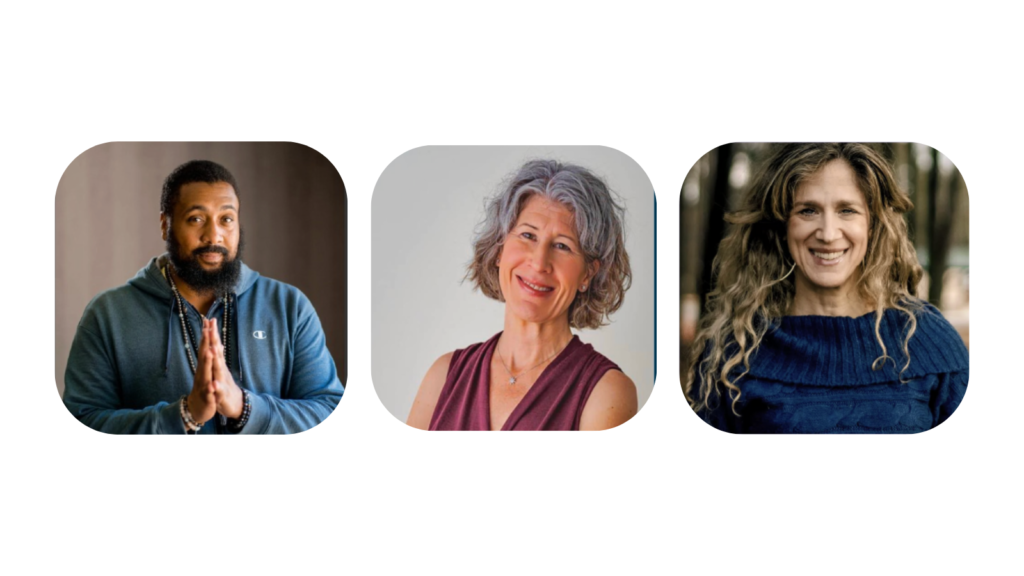
Live event series with Reggie Hubbard, Lori Gray, and Abbe Simon
SOCC launched a series of live events for its members, the majority of whom are stroke survivors. This programming is intentionally aligned with the focus of Stroke Onward: identity rebuilding. Members participated in three different types of events led by Reggie Hubbard, Lori Gray, and Abbe Simon.
SOCC Newsletter
Stroke Onward launched the SOCC Newsletter, a new resource to bring the latest updates, stories, and happenings on SOCC to community members’ inboxes. Newsletter subscriptions grew from 266 recipients in September 2025 to 635 recipients in February 2026, showing a 139% growth in subscribers in the six months after launch.

Stroke Onward does not do this work alone. We’ve understood that meaningful change in post-acute stroke recovery requires collaboration across the ecosystem—academics, healthcare professionals, innovators, survivors, and carepartners. All programs are executed in partnership, deepening our knowledge, increasing credibility, and expressing the intertwined nature of this work.
Stroke Onward is committed to improving post-acute stroke recovery, but we will only achieve our goals in relationship with all stakeholder groups. This year, we created a formal partnerships and sponsorships pathway and policy to guide collaboration. This elevates our approach and provides clarity for current and future collaborators.
Key sponsorships are highlighted below, click on the logos for details. A full list of event partnerships can be found on our website here.

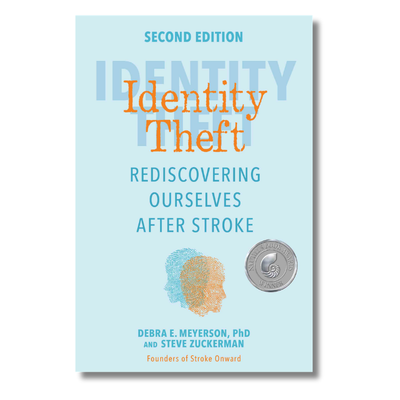
In September 2025, Stroke Onward co-founders Debra Meyerson and Steve Zuckerman released the second edition of Identity Theft: Rediscovering Ourselves After Stroke. This edition shared new insights about long-term recovery and changing the stroke care system, drawing on five more years as a post-stroke couple and learnings from thousands of survivors, families, and healthcare professionals.
The second edition hit #1 New Release in “Strokes” and “Biographies of Medical Professionals” on Amazon, with 5/5 stars on Amazon, Audiobrary, and Barnes & Noble, and 4.95/5 on Goodreads, across 192 reviews total. Deb and Steve hosted a virtual launch party in September with 100+ supporters, colleagues, and friends. Harvard Business School professor Robyn Ely interviewed the co-authors, with audience Q&A. Watch the recording here.
Deb and Steve have been featured in 10+ podcasts, interviews, and articles highlighting the second edition of Identity Theft and their work with Stroke Onward. Highlights include:
View the full list of appearances here.
In January 2026, Deb and Steve received the CBS News Bay Area Icon Award for Outstanding Community Service, recognizing local leaders whose efforts make a significant positive impact in people’s lives. Learn more.
Stroke Onward thanks WCNY, Syracuse’s PBS affiliate, for recognizing Deb and Steve’s work. Using footage from their 2022 4,548-mile cycling journey across the U.S., WCNY created “Stroke Across America: Trauma, Adaptation, Purpose,” a half-hour documentary. Watch here.

Stroke Onward is at an inflection point. As with any strong nonprofit, we are dedicated to building a Board of Directors that brings both the expertise and commitment necessary to achieve our goals. In 2025, the Board began a deliberate effort to expand its numbers—growing slowly and intentionally, with focus on recruiting members whose experience and skills align with our strategic priorities.
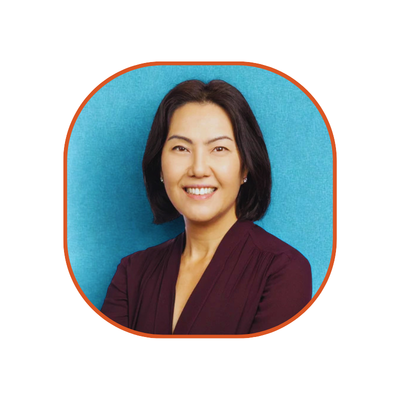
Jieun Choe is the Chief Product and Marketing Officer of Viz.ai. Read full bio.
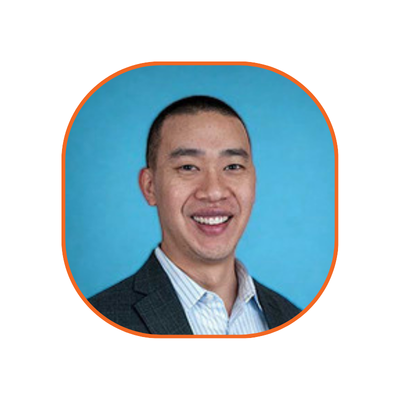
Dr. David Lin is a critical care neurologist and neurorehabilitation specialist. Read full bio.
In 2025, Stroke Onward’s professional team grew in size and capacity—a direct result of the Board of Directors’ investment in our organizational infrastructure. This commitment ensures that the right people are in the right professional seats at this critical time in our strategic growth. From program delivery to development, operations to communications, we have built a team equipped to initiate scale and grow impact across disciplines. Meet the full team here.
In 2025, Stroke Onward strengthened its communications infrastructure to support growth, accessibility, and long-term engagement across all channels.
Website: Stroke Onward completed a full refresh focused on usability and accessibility, including simplified navigation and an accessibility review. A new Community tab promotes the Stroke Onward Community Circle (SOCC), while elevated in-person events and our Founding Story help visitors understand our work and impact.
Email: Stroke Onward launched intentional email marketing tests to support community engagement, exploring newsletter cadence and format with SOCC updates and partnership announcements. Early data is informing our 2026 scaling strategy.
Social Media: Our presence grew significantly through consistent posting and a content calendar. In Q2 alone, we published 136 posts generating 80,000+ impressions, 1,700+ reactions, and 682 shares, with ~300 new followers. Stroke and Aphasia Awareness Month and event content drove strongest engagement, establishing a foundation for integrated social strategy in the years ahead.

Stroke doesn’t just change a survivor’s life—it profoundly reshapes the lives of those who care for them. Stroke Onward recognizes the care economy is integral to recovery, yet carepartners remain overlooked. We’re changing that by naming carepartners as part of the stroke recovery community.
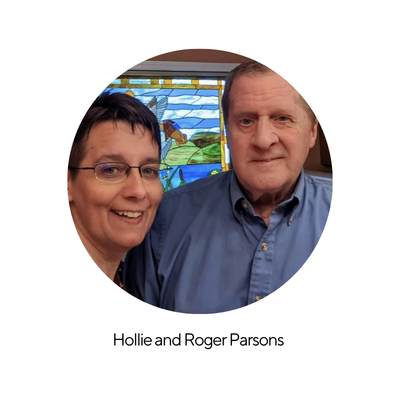
In 2025, Hollie and Roger Parsons launched the Carepartners Relief Fund with Stroke Onward. The fund provides $500 unrestricted awards to carepartners. Whether used for respite, household expenses, or well-being, the funds offer meaningful relief and recognition.
This initiative reflects Stroke Onward’s commitment to supporting survivors and those who stand beside them. By providing direct, unrestricted support, we honor carepartners’ vital role—and ensure they feel seen, valued, and supported.
“Thank you so much for this honor! Reading the email brought tears to my eyes—it feels so nice to be recognized. Being a carepartner is a joy, but your acknowledgment of the time and strength it entails means a lot to me.”
“Thank you for this generous award. Caring for my husband after his stroke has been challenging and deeply meaningful, and this recognition touches my heart. Your support means more than words can express.”

Financial Position & Stewardship
Stroke Onward enters 2026 on solid financial footing. Throughout 2025, we strengthened our financial management systems to better support a growing organization and positioned ourselves for long-term sustainability. As we scale, we are also taking steps to implement audited financial statements—a milestone that reflects our commitment to transparency and accountability to our donors, partners, and the communities we serve.
Program Investment & Efficiency
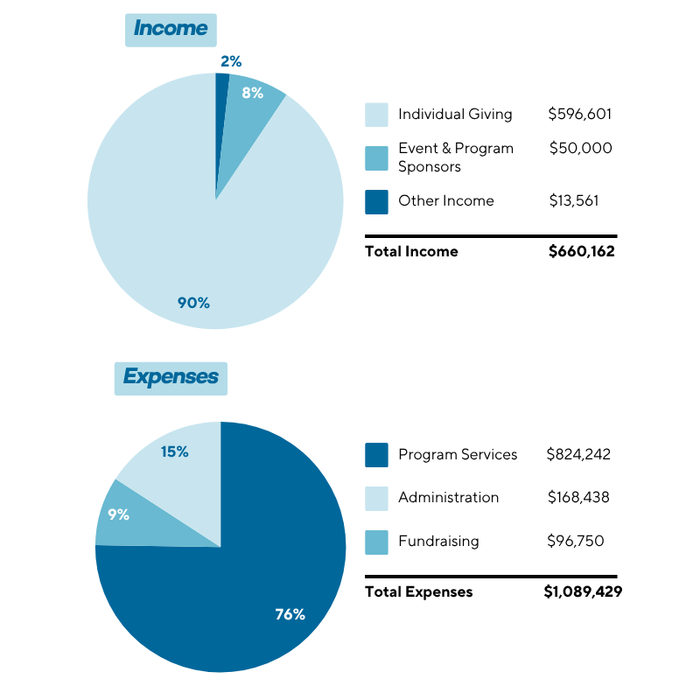
In 2025, 76% of expenses directly supported Program Services—up from 65% in 2024. Fundraising expenses decreased from 17% to 9%, demonstrating improved efficiency and stronger return on development efforts. Administrative costs remained steady at 15%, reflecting continued operational discipline.
To Our Continuing Donors:
Thank you for standing with us year after year. Your continued support is a vote of confidence which enabled us to expand our impact into 5 cities across the country, launch our Stroke Onward Community Circle, and continue to focus on a strategic framework that is leading us towards deep systems change. Your sustained commitment is the backbone of our work.
To Our New Donors:
Welcome to the Stroke Onward community. In 2025, more than 185 first-time donors joined us. Whether you gave $25 or $25,000, your investment directly funded live programming, the Carepartner Relief Fund, and our mission to rebuild identity after stroke. We’re honored you chose to support our work.
For this report, donations are recognized in the year intended by the donor, which may differ from the year in which the donation was received and recognized for accounting purposes.
Special Donor Recognition
• Founder’s Circle (2019-21) – 2-year commitment of ≥ $1,000/yr
* Capital Campaign (2022-25) – 3-year commitment of ≥ $1,000/yr
+ 5-Year Sustaining Donors
Anonymous*
Beth Cross and Tony Staynor*•+
Debra Meyerson and Steve Zuckerman*•+
Nancy Wittenberg and Jack Little*•+
Mindy and Jesse Rogers*•+
Adele and Larry Bacow
Elizabeth Fama and John Cochrane*•+
Eric Rosen*+
Jieun and Won Choe
Julie and Kevin Callaghan*•+
Kim and Kevin Menninger*•+
Marcia Meyerson*•+
Martina and Art Varnado
Nancy Katz and John Hiss*•+
Paul Zuber*
Aaron Meyerson
Ann and Andy Mathieson*•+
Anonymous
Gary Curtis*+
Leslie and Gene Lynch*+
Lilli Petruzzelli+
Marcia and Don Blenko•+
Mia Cabello and Adam Zuckerman
Randi Shafton and Drew Lieberman*•+
Susan Doherty and Howie Rosen*•+
Teresa Kersten*
Amanda Renteria and Patrick Brannelly+
Anonymous*•+
Anonymous
Audrey and Erik Foraker
Cindy and Jeff Traum*+
Elizabeth Kerrigan
Grace Hsieh Lin and David Lin
Hong and Jim Bass*•+
Jane McConnell and TJ Heyman*•+
Joan Rachlin and Seymour Small
Joseph Dileo
Joy Bican
Marjorie Zuckerman*•+
Mark Brodie
Mukul Pandya
Patricia and Mark Jackson*•+
Peggy and Ted Berenblum+
Peter Francis
Scott Johnston
Stephen Vance
Susan Follett Panella and Mark Panella*•+
Adam Grant
Anonymous
Franco Kroese
Heidi Hansen and Richard Watkins
Jacquie Kurland
Janet Weiss and Donald Kinder
Katherine Klein and John Gomperts
Kent Schlopy
Kriss Deiglmeier and Samir Tuma
Lenore Bland
Linda Smircich
Marta Calás
Nancy and Ben Rand
Nancy Ryan•+
Nicholas Eaton•+
Paula Birnbaum and Neil Solomon
Risher Randall, Jr
Robert Manin Jr.
Robin Ely
Ryan Cooper
Sharon Carpenter
Shawn Blake
Suzanne and Joe Amato
Tara Sundown
Amy Beringer and John Grubb
Amy Wrzesniewski
Anjail Sharrief
Annie and Elon Spar
Brian Anderluh
Brian Reed
Brooklyn Capparelli
Clare Draper
Courtney Yant
David Knauss
Debbie and John Steinberg
Deborah Hoffman
F James Ginnane
Fern Mandelbaum and Dan Dorosin
Gerard Capelli
Greg Smiley
Gregory Morris
Gump Family Fund
Jane and Don Johnston
Jessica Streit
Jill Lee and Malcolm Hobbs
Jim Overton
John Hou•
Kafi Blumenfield
Kim and Eddie Poplawski*•+
Kira Dales
Marcia Zuckerman*•+
Mary Stuart Baird
Marybeth Shaw
Monique and Russ Johnson
Nancy and Michael Leb
Patrick Conran
Robert Thornberg
Robin and Jonathan Wood+
Timothy Lafferty
Victoria Thoits
Abigail Cohn
Aleah Combs
Anne and Elliot Rossen
Anne Carney
Anne Muller
Anonymous
Beth and Paul Bartlett
Brendan Blake
Brooke Hallowell
Carol Corr
Caroline Brennan
Cheryl Buhr
Colin Groshong
Dana Corvino
Daniel Sauer
Danielle Slaton and John Albers
Deborah Domagala
Deborah Kolb
Doina Morusca
Drew dougherty
Edward Pace
Elizabeth A Wolfson
Elizabeth Jane Wright Stachowiak
Elizabeth Sheprow
Ellen Landis and Lisa Thompson
Gary Cocchiarella
Gary M Emmerson
Gary M. Kanaley
Gene Garces
George Krudy
Gordon Bogden
Helen Bowler
Ian Forbes
Ilene Rothman
Jack Kramer
James Carlo
James Dana Jr.+
Jamie and Paul Berger
Jane and Lance Dutton
Jennifer Campbell
Jessica Sebastian
Joan Gomberg
Judy Roe
Julianne Smist
Julie Bell
Kathleen Pekera
Kathryn Brown
Kevin B Quinn
Kristin and Eric Gananian
Lane Walsh
Larry Lewis
Laura Benedict
Lauren Shaw
Lee Zimmerman
Leora Cherney
Linda White
Lisa Layera
Lucille Gannam
Lucina Aquilina
Lynn and Jeff Aleman
Lynn and John Gilbert
Lynn Morgan
Marcia Mumbrue
Maria Morella
Marianne Powell
Marie Leonard
Marilyn Fife
Mark D Morgan
Mary Jean and Josh Meyerson
Maureen Scully
Michael Lafferty
Michael Neureuther
Michael Sendor
Molly Mullett Gold
Nereyda Salinas
Patricia Caraotta
Paul Clear
Paul Rybak
Paul Seminara
Paul Staley+
Peggy Brannigan and Steve Smith
Prakruthi Arkesh
Rand Quinn
Richard Schaus
Robert Riehle
Roger Brown
Sally Waisbrot
Sanford Hollander
Sara Gilbertson
Sasha Yampolsky
Selvi and Rasappa Arumugham
Sharkey
Stephen Horner
Sue and Karl Schlotterbeck
Sue Crawford and Craig Dauchy
Thomas Binda
Thomas R Mordaunt
Thomas W. Bender
Timothy E McGrath
Tony Maciag
Tracy Weatherby and Perry Dembner
Tuti Scott
Valerie Meyerson
Vincent Chiarenza
Wallis Miller
Walter Zylka
Zachary Paszkiewicz
Aaron Terrell
Albert Nigro
Alexis Pracar
Ali Nazar
Amber Richardson
Ana Santos
Anna Everhart
Anonymous
Anthony Gillan
Barbara Albi
Barry Jacobson
Bhavnita Patel
Bob Kuzmeski
Brian Costello
Bryan Faust
Chris Thompson
Craig Parada
Dale Williams
Daniel O’Toole
David Goodman
David Sein-Lwin
David Walek
Debbie and Mark Landau+
Debra Gore
Devanshi Choksi
Diane Currie
Diane Pacholski
Elizabeth Christensen
Elizabeth McLean
Emily Meyerson
Eva M Byrne
Ferdaus Ghafury
Gavin Spellmeyer
Gina ONeill
Gino Grilli
Giti Cira
Gonca Elcin
Heather Bowers
Jamie Allen Black
Jane Adams
Jen Leon
Jennifer Mack
Jill Cartwright
John A Cesari
Jordan Nance
Joseph Greer
Julie Dolin
Julie Schroeder
Karen Ricci
Kevin Hassen
Kristen Zuidena
Lara Nuer
Laura Laffoon
Leonard Katz
Lisa Hoffman
Lisa Sommers
Louis Boorstin
Louise Lalli
Marcia Henry
Maria Diaz Bobillo
Marshall Hallowell
Michael Dickey
Michael Fiebelkorn
Michael Obel-Omia+
Michele Ambor-Hutz
Miriam Cabello-Zuckerman
Patricia Blake
Patricia Krackov+
Penelope Martin
Phyllis Bankier
Richard Erb
Rikki Conte
Robert Syracuse
Roberta Brooks
Ryan Luftman
Sara Gregg
Sara Schlotterbeck
Sarah Wallace
Sarang Parikh
Sharlene Smith
Sharon Glaser
Sue Berger
Sue Ewing
Theodore & Jacqueline Hahin
Tim Sweeney
Timothy Blake
Trish Hambridge
Tyson G Harmon
Vanessa Vieni
Zebediah West
Accessibility Statement
Stroke Onward is committed to providing a website and resources that are accessible to the widest possible audience regardless of technology or ability. We are actively working to increase the accessibility and usability of our website and this report. This report works well with screen readers but if you have any issues accessing it please contact us at connect@strokeonward.org and we will do what we can to improve your experience.
Note: We incorporated the use of artificial intelligence tools to create this report, and Change Agent AI and Perplexity.ai were particularly helpful. We continue to explore and share ways to use assistive AI for good in our work.
In 2025, Stroke Onward and the American Stroke Association expanded their partnership across content, storytelling, and research, reflecting a shared commitment to survivor-centered care. ASA publishes Stroke Onward stories and distributes a co-developed lesson module on the emotional journey of stroke recovery to stroke groups nationwide. The organizations also collaborate on speakers for events and SOCC panels. In July 2025, the partnership extended into research, with a team including Flannery O’Neil, MPH, former COO of Stroke Onward, co-authoring “Improving Access to Stroke Rehabilitation and Recovery.”
In 2025, Stroke Onward welcomed new partner Mobia Medical. Their FDA-approved system, Vivistim, pairs vagus nerve stimulation with occupational therapy to improve arm and hand recovery after stroke. The partnership funded Bay Area events, and a Mobia Therapy Development Specialist shared, “The Stroke Monologues were particularly meaningful, and we loved seeing the community you all have created.” This marked the start of an ongoing partnership, with further collaboration planned.
In 2025, Stroke Onward launched a partnership with ElevenLabs to expand access to personalized AI voice technology. SOCC members with speech disabilities and speech therapists receive free multi-year licenses to create custom voices, supporting both communication and the emotional aspects of self-expression and identity rebuilding. Together, Stroke Onward and ElevenLabs are exploring how emerging technologies can responsibly enhance communication and quality of life after stroke.
In 2025, Stroke Onward continued its partnership with Bayer to advance solutions for stroke survivors, particularly underserved groups including BIPOC communities, Veterans, LGBTQ+ individuals, and young survivors. Bayer funded events in five cities and supported SOCC’s development, while Stroke Onward joined two patient forums where survivors shared feedback on care gaps. Co-founder Steve Zuckerman also serves on the advisory board for Bayer’s ELEVATE study, with results expected in 2026.
Ariat International sponsored our Bay Area events in 2025. The performance footwear and clothing brand emphasizes technology and innovation—a perfect complement to our Stroke Monologues and Care Onward panels focused on clinicians who are leading innovative change in stroke recovery.
Susan Poisson has over 30 years of experience supporting businesses across industries including coaching, therapy, and financial services. Her background spans administrative support, customer service, and operations management, focusing on creating organized, efficient systems that support both teams and clients.
She has extensive experience with CRM systems, website management, email marketing platforms, and digital program delivery, in addition to developing workflows and onboarding processes that keep operations running smoothly.
Maryam is a social impact communications specialist with more than four years of experience designing and executing integrated marketing strategies for nonprofit and multilateral organizations, including the UN Girl Up Campaign, Plan International, and Global Partnership for Education.
She studied at the University of Toronto and the University of Oxford, where she pursued research in international relations and historical studies, building a strong foundation in global policy and social issues. Maryam leverages strategic storytelling to align communications with organizational objectives, strengthen brand credibility, and drive impact.
Debra Meyerson is an author, advocate, and a professor at Stanford University Graduate School of Education. Following her severe stroke in 2010, Debra wrote Identity Theft: Rediscovering Ourselves after Stroke (Andrews McMeel Publishing, 2019); second edition 2025). Writing Identity Theft began as a critical part of her personal journey to rebuild her own life outside mainstream academia. It became the foundation for maintaining meaning and purpose in her life despite her ongoing disabilities – helping other stroke survivors and those closest to them rebuild their identities after a trauma like stroke, and navigate the critical and often overlooked emotional journey in recovery. With her husband, Steve Zuckerman, she co-founded Stroke Onward to expand and accelerate that work. In addition to her role on the board, Debra’s significant volunteer commitment to Stroke Onward focuses on speaking engagements, deepening the content built into their work, and supporting related research projects.
Prior to her stroke in 2010, Debra’s academic work focused on feminism, diversity, identity, and organizational change. Debra’s most significant contribution from that period was Tempered Radicals: How Everyday Leaders Inspire Change at Work (HBS Press, 2001). More on her selected publications here. Debra currently serves on the board of the Pacific Stroke Association (PSA), the BU Sargent School Constituent Advisory Board, and the Stakeholder Advisory Board for Acceptance Commitment Therapy (ACT) for Aphasia research project (University of Pittsburgh). Debra received her B.S. and M.S. from M.I.T. and a Ph.D. in Organizational Behavior from Stanford University. Her full CV can be accessed here.
Steve Zuckerman is an experienced executive who has held leadership positions in both non-profit and for-profit organizations. He is Debra Meyerson’s husband since 1988, carepartner since her stroke in 2010, and an unnamed co-author of Identity Theft: Rediscovering Ourselves after Stroke (Andrews McMeel Publishing, 2019) and co-author of the second edition (2025). In 2019 he scaled back other leadership roles to co-found Stroke Onward with his wife Debra. In addition to his role on the board, Steve’s significant volunteer commitment to Stroke Onward focuses on organizational strategy, fundraising, and governance.
In 2006, Steve launched a California presence for Self-Help, a nationally recognized economic justice nonprofit based in Durham, NC. In 2008, he co-founded Self-Help Federal Credit Union, where he continues to serve part-time as President and Senior Advisor to Self-Help’s west coast operations. His first career involved 14 years with McCown De Leeuw and Co., a private equity firm, where he was a Managing Director. Throughout his career, Steve has served on numerous nonprofit boards supporting economic, social and health justice, including Tides Foundation, Positive Coaching Alliance, and Renaissance Entrepreneurship Center. He currently serves on the BU Sargent Clinical Advisory Board and the ACT for Aphasia Stakeholder Advisory Board (University of Pittsburgh). Steve earned a BA from Yale University and an MBA from the Stanford University Graduate School of Business.
Monica has been improving health care for over 15 years within hospital systems, government agencies, and health insurance. Her work focuses on changing the incentives in health care to be truly patient centered and to create health. As a result, she has impacted hundreds of thousands of patients, constituents, and customers nationwide.
This is her first dive into innovating the world of stroke recovery, but she already believes it’s only possible with mission-aligned partners. At Stroke Onward, she develops and manages our relationships with organizations that seek to integrate emotional health into post-acute care.
A proud alumna of Smith College, Duke’s Fuqua School of Business, Massachusetts General Hospital, CMS/CMMI, and Kaiser Permanente, she brings a unique blend of systems thinking, practical know-how, and deep commitment to health equity.
Talk to Monica about partnerships with Stroke Onward, sports, local politics, and summer camps.
Liz Wolfson is an entrepreneurial and visionary leader with 20+ years of experience creating strategic direction, driving operational growth, and cultivating human capital within a variety of nonprofit and corporate settings. Liz deeply believes in the collective power of individuals to find solutions for systemic problems. She thrives in environments committed to and walking the talk of equity, well-being, radical candor, and joy.
Liz has spent much of her career working for as well as coaching CEO’s and philanthropists in manifesting their corporate and social impact projects locally, nationally and internationally.
Nonprofit organizations benefiting from Liz’s work include Farm Sanctuary, The American Montessori Society, The Rose Institute (for homeless youth), and the Dobkin Family Foundation. Corporate work includes creating the first global internal communications division for Comverse, a world leader in voice activated systems, and raising seed-funding for TaskMail, the first Jordanian/Israeli tech start-up company.
Always up for a challenge, at age 40, with a newborn in her arms, she thought it the perfect time to start up her dream project that would model for her children what it would mean to vision, create, struggle, and succeed. Feeling that educational opportunities for those identifying as girls in America were insufficient to match the reality of growing up in today’s world, Liz became the Chief Visionary Officer of the Girls Athletic Leadership Schools Inc., a game-changing educational model focused on positive gender identity, relational learning and integrated movement as pedagogy. Under Liz’s leadership, GALS Inc. opened 5 schools in three states in ten years and inspired 2 international schools.
Motivated by changemakers Debra Meyerson and Steve Zuckerman, Liz leads the team of Stroke Onward as its founding CEO, determined to raise the standards of post traumatic whole human care for all stroke survivors and their carepartners and communities.
Reyne Martinez has over a decade of experience in the non-profit world. Before joining Stroke Onward, Reyne was a Corporate Engagement Coordinator with PBS North Carolina and directed outreach branches within the nationwide organization The Dream Center. She holds a B.A. in Business Administration and a Technical Writing, UX Design, and HR Administration certificate. Reyne has a familiar and personal connection to stroke and deeply believes in the importance of mental health. She currently lives in North Carolina and continues to find ways to advocate for accessibility to mental health services.
Whitney Hardy grew up in Truckee, California where she excelled academically and athletically. Competing at an elite level of soccer throughout her childhood fueled a fierce and team-driven spirit. She left California for Boston to attend Tufts University where she was a four-year member and two-year captain of the Women’s varsity soccer team.
After graduating from Tufts in 2010, Whitney spent a year traveling both the United States and South America before moving back to Boston for work in 2011. From 2011 to 2014, she lived in a tiny apartment in South Boston and worked at a venture debt firm. Then came the evening of February 20, 2014.
This evening began like any other typical evening for Whitney: after a long day of work, she went for a run as a way to decompress. Whitney recalls the night of the accident–or rather, she recalls what she has been told. “I don’t actually remember getting hurt. From the information I’ve been told…I liked to go for runs after work to mentally release all of the stress and feel better about getting exercise. So I went for a run and it was dusk out, which in the long run wasn’t a good idea, but that’s in the past.” It was dark. Whitney was moving fast. So was the car. Whitney shares, “my head hit the ground so hard that I suffered a traumatic brain injury (TBI) during the accident.”
When asked at what point she begins remembering the timeline, Whitney explains that she doesn’t know. She says, “I can tell you what I don’t remember though: any of the time in the hospital at the Boston Medical Center in the trauma unit, at Spaulding Rehab Center, leaving the hospital, or moving into the first apartment complex that I lived in.” This is months of hospital time erased from her memory. She suffered a TBI and continues to experience short-term memory loss and executive function impairment to this day.
Three and a half years after her injury, in 2017, Whitney moved back home to Truckee. Now just under a decade after her injury, Whitney is continuing to explore her identity, the impacts of her injury, and the growth from living with TBI.
The struggle between independence and dependence is something that Whitney has faced post-accident. She said: “Before I got hurt, I was the one doing all the planning for parties… I’ll take care of organizing that and text you guys and you can all come. And now, I don’t have that ability. I kind of just have to ask or plan way further in advance. Another big part of the transition is learning that it is okay to ask for help. That is something that I’ve learned from this trip. It’s not something abnormal to have to ask for help. It’s not because you got hurt that you need help, it’s just natural.”
There is a lot that changed post-injury to her way of life that she still struggles with today. She explains, “That’s kind of the hardest part for me. I don’t like to accept that life is different so I just keep pushing and sometimes I do too much or I take on too much and I don’t have the awareness of the fact that it is overdoing it. So that’s a really hard part for me, saying no, I can’t do that where I want to but I’m overloaded…I don’t want to feel like [I] have to give up everything [I’ve] done before [I] got hurt but it’s changing hats and accepting that it’s not the same way. [I] can’t do what you used to do in the same way. [I] have to write things down, [I] have to focus on [my] abilities at the moment…After I was injured, I couldn’t do anything independently for a long time. So that’s kind of the definition of my life. Okay so what has my team done and how can I kind of create independence from that.”
When asked what Stroke Across America means to her, Whitney talks about how it’s hard to just describe in one sentence;“it means camaraderie and raising awareness for a team effort of brain injuries and their caretakers and the survivors because it’s not just a one person effort.” After her injury, Whitney explains “the definition of my life” became her support system and the effort put forth to help her grow.
Team is a keyword in Whitney’s vocabulary because of the way the interdependence that comes with teammates has shaped her life, both pre-accident with soccer and post-accident in everyday life. Interdependence is a valuable lesson for everybody to understand, and one that Whitney exemplifies in her life.
Whitney is just one of many who suffer from TBI. To her other TBI survivors and teammates out there, Whitney has a message: “Be patient because things aren’t going to change quickly and you have to accept that life as you had is now different and you have to alter the normal. So what was isn’t what is and just adjusting to that acceptance.”
Michael Obel-Omia currently resides in Barrington, Rhode Island with his wife, Carolyn, and three children, Jackson, Liza, and Zachary. Prior to his stroke in 2016, Michael was an educator at many different schools including Perkiomen School, Roxbury Latin, William Penn Charter School, Paul Cuffee School, and Cambridge Friends School, where he held titles including English teacher, headmaster, and Director of Admissions.
His entrance to education was not a planned one: in 1986, the course he wanted to take while at Middlebury College was closed, so a professor recommended the course Black American Literature. Michael shares how it was from here, this Black American Literature Course, where he fell in love with English and education: “It was fantastic. 1986. Terrific. Great great course. Wonderful wonderful wonderful stories by black writers. I loved it. [Previously] I wanted to be a lawyer or something, but I fell in love with English in 1986. I started to read everything from there. I fell in love with teaching.”
Aside from a passion for English, cycling has been a major component to Michael’s life. In 2009, Michael cycled across the country for the first time. Anaheim, CA to New York City, NY. “12 days, 12 guys, 24 hours a day. Unbelievable. It felt great. Cycle Across America, one way or another.”
Fast forward a few years, on May 21, 2016, Michael suffered an ischemic stroke. In the aftermath of the stroke, Michael struggled to accept the changes that would occur in his life at first, but eventually has come to accept the changes in his identity. He explains, “I had so many ambitions, so many ideas, I wanted to do so much more. And there I had an ischemic stroke. But who I am, what I am, what I do, is driving.”
In his post-stroke life, cycling and English remain key aspects to Michael’s life. After he got home from the hospital, Michael hopped on a stationary bike. His goal: the Pan Mass Challenge, a 75 mile ride through Massachusetts. Michael recounts this experience: “So in June 2016, I got on a bicycle. Every day I bicycled, I bicycled, I bicycled, it was stationary of course. I said let me out. Carolyn, who I love so much- I said I need to go out. She said you can’t do it. I said I have to do it.”
A month later in July, Michael finally “got out” and on a bicycle outside. “I got on a bicycle in July 2016. I got on a bicycle and I bicycled on a bicycle path. I was so happy. Four miles total, I fell three times. I bicycled, I stopped, I fell down. Turned around, passed the YMCA, fell down. Cycled home, crashed. Three times, four miles, three times, crash crash crash. I was so dispirited, so sad, but I was determined to do something. So September 25, 2016, I cycled 25 miles. Within four months of stroke, to cycle 25 miles, I cycled 25 miles to say I could do this. I had a stroke, I could do this. I say I’m a cyclist.”
In addition to his identity as a cyclist, English has continued to leave a lasting imprint on Michael’s life. Shortly after his stroke, Michael wrote three articles for NPR’s This I Believe because “I love to talk about what I am doing. Aphasia is difficult communication, but I try so hard to speak everything right now with aphasia.” With this, “every day, every day, every day, five and a half years, I write in my journals. Everything I am doing. Now 475 people every day [receive] what I journal from aphasia.” Michael’s musings have become a part of his daily routine, where he summarizes his day to hundreds of loved ones from all aspects of his life.
In his musings, Michael also includes a poem that reminds him of the day. Poetry is another key part of Michael’s identity. After his stroke, he explains “I couldn’t say much, so I started writing poetry.” After a few of his poems were published, he decided to create a compilation of them. This birthed Finding My Words: Aphasia Poetry, his published book of poetry. Michael explains his relationship with poet as “So now I’m a poet. I love that. Poetry is what it is, unlike anything else, poetry is expressing myself, my feelings. Because of poetry, I can write down my difficulties and my problems. So I sit down to write poetry. Some of it is no good, but some of it is very powerful.”
Stroke Across America has proved to be both rewarding and challenging for Michael. He says, “I can do this every day. Every day. I gotta do it. Every day. Every day I gotta do it. I can do this. My hands hurt sometimes, my left hand is pretty weak. I have to ride, I have to do Stroke Across America. Tomorrow morning, I’ll be very anxious. I’ll wake up early tomorrow morning, I’ll be anxious. 64 miles. Can I do it? Can I do it again? But I’ll do it.”
In everything Michael does, he lives the motto “improving, always improving.”
Alex Rubin is a rising senior and member of the varsity softball team at Washington University in St. Louis. An architecture major and business of sports minor, however, her true passions lie more within creative media and the outdoors. Aside from bathing Rusti and serving as comedic relief for the trip, Alex manages on-the-road content for social media and documentary purposes.
Patrick Brannelly is the founding CEO of The 10,000 Brains Project, a philanthropic initiative that supports the use of AI in the development of better treatments and diagnostics for neurodegenerative disorders. Prior to this, he was a member of the Health & Life Sciences team at Gates Ventures, where he served as the Director of Partnerships & Business Development for the nonprofit Alzheimer’s Disease Data Initiative. Earlier in his career, he was a Managing Director at the Rainwater Charitable Foundation, where he led a consortium that sought to accelerate the development of new treatments for neurodegenerative disorders. Pat has also worked in early-stage brain health technology ventures and as a management consultant in the US and Europe. He is a former Assistant Professor of entrepreneurship and strategy at California State University, Fresno. A frequent member of boards and committees within the neuroscience community, he currently serves as a Steering Committee member of the OECD’s Neuroscience-inspired Policy Initiative. Pat holds a BA in Psychology from Harvard College, an MBA with Distinction from Harvard Business School, and an MSc with Distinction in Applied Neuroscience from King’s College London.
In addition to her service on the board of Stroke Onward, Karen Jordan has been involved with JDRF since 2008, when her daughter Ali was diagnosed with autoimmune Type 1 Diabetes. She is a member of the International Board of Directors, Chair of the Research Committee (which provides strategic guidance and governance for JDRF’s grant portfolio), and Vice Chair of the Funding Committee. She also serves on the JDRF T1D Fund Board, a venture philanthropy fund with $175MM assets under management, and on JDRF’s Northern California Chapter Board. She is a member of the Joint Steering Committee for the JDRF Northern California Center of Excellence at Stanford and UCSF. She is the inaugural recipient of JDRF’s John Brady Award for Innovation.
Karen is Chair of the Stanford Medicine Community Council, and serves on the Stanford Health Care Board and the Stanford Athletics Board. She is the recipient of the Stanford University Governors’ Award.
Her previous non-profit work includes service on different boards including, among others, Starlight Children’s Foundation, Stanford GSB Alumni Association and the Portola Valley School District. She was a member of the group who founded Summit Prep, a charter school profiled in Waiting for Superman.
Karen earned her B.A. in Economics-Business from UCLA and her MBA from the Stanford Graduate School of Business. She has completed TPW’s year-long program on strategic philanthropy. She has worked as an investment banker and with the Mayor’s Office in Los Angeles.
Tony Stayner is the Managing Director of the Excelsior Impact Fund, a charitable fund that represents contributions from multiple families and invests to create the world we want for future generations. He is a member of the Toniic T100 impact investor network and helps lead impact investing activities at SV2. In 2019, he was honored to receive the Laura Arrillaga Andreessen Social Impact Award. He has used his experience as a Silicon Valley software executive to mentor numerous social entrepreneurs. He also serves on the boards of the Pacific Institute and of Water.org. Tony’s MBA is from Stanford’s Graduate School of Business and JD is from the University of California at Berkeley’s School of Law (he attended Harvard Law School during his third year of law school on an exchange program). Tony graduated Phi Beta Kappa with an A. B. in Economics and Mathematics from the University of California at Davis.
Jodi Kravitz has always worked at the intersection of social mission and innovation. Before being recruited to help launch Stroke Onward, Jodi worked for almost a decade with FIRST, an award winning nonprofit STEM inspiration program. Her responsibilities with FIRST LEGO League included program operations and partner relationships in more than 80 countries. She began her career working in strategic planning and other key roles for multiple national healthcare providers. Jodi has volunteered extensively for public television and other causes from her home on the seacoast in New Hampshire. Jodi received an MBA from Vanderbilt and a BA from Yale University.
Emily Brower has worked in healthcare, psychopharmacology research, and cardiac research, before joining the team at Stroke Onward. She is passionate about improving the healthcare system and outcomes for patients. Emily also plays professional women’s rugby for the New York Exiles of Women’s Elite Rugby (WER). Emily has a B.S./B.A. from Tufts University in Biopsychology and English. Using her unique educational and professional skills, Emily enjoys communicating and connecting with people from diverse backgrounds.
Hannah Halaska is a strategic communicator and advocate with a growing background in nonprofit work, healthcare communications, and community engagement. From an early age, she has been passionate about helping others navigate health and emotional challenges.
Hannah earned her B.A. in Communication Science and Rhetorical Studies from the University of Wisconsin–Madison. Throughout her academic journey, she organized fundraisers and planned philanthropic events to promote inclusive dialogue in communities.
In 2023, at the age of 21, Hannah experienced a stroke impairing the left side of her brain, affecting her ability to speak, write, read, and process information. She took a year off to recover, and with determination, she graduated in 2025. Her experience revealed the gap between physical and emotional healing after stroke, a realization that now shapes her advocacy.
During her recovery, Hannah was interviewed by the Medical College of Wisconsin for the Imagine More philanthropic event, where she shared her personal experience with aphasia, helping raise funds for neuroscience research. Upon returning to her UW–Madison community, she mentored students with chronic health conditions through the Chronic Health Alliance Mentor Program (CHAMP). Today, she volunteers with the Stroke Foundation based in Houston, Texas, creating accessible resources for stroke survivors and caregivers.
Driven by empathy and lived experience, Hannah continues to build inclusive spaces for members of the stroke community to improve the healthcare system for recovery.
Elsa Duré is an operations strategist and fractional COO with a passion for empowering nonprofits to achieve optimal efficiency and effectiveness through a people-centered approach. She leverages her broad set of experiences to inform effective operations that prioritize stakeholder engagement alongside strategic goals.
Most recently, Elsa served as the Chief Operating Officer at Education Leaders of Color (EdLoC). In this role, Elsa oversaw internal operating capabilities and executed strategic initiatives to optimize day-to-day functions and support the organization’s long-term vision. Before joining the EdLoC team, Elsa worked at Chiefs for Change, where she executed a multi-year, multi-million-dollar fundraising plan and spearheaded diversity, equity, and inclusion efforts across the organization as the Senior Director of Strategic Partnerships and Development. Before Chiefs for Change, she was deputy director at the Diverse Charter Schools Coalition (DCSC), an organization that catalyzes the creation and expansion of high-quality, diverse-by-design public charter schools nationwide. Elsa led strategic initiatives and internal operations at DCSC.
Elsa holds a bachelor’s in psychology and a master’s degree in urban education policy from Brown University. She is a 2015 Pahara NextGen Leader.
Jordan leads strategic initiatives at Stroke Onward that connect brand, content, and community to support the emotional journey of stroke recovery. She brings over a decade of experience in educational programming, inclusive content strategy, and community building across the nonprofit, education, and public sectors.
Before joining Stroke Onward, Jordan led program and content development at LeanIn.Org, with a focus on equity-centered, educational, and community-driven initiatives. She is deeply committed to building responsive, inclusive programming and reimagining what healing can look like–not only in terms of what we regain, but in who we have the power to become.
Jieun Choe is the Chief Product and Marketing Officer of Viz.ai, where she drives product and marketing strategy and execution to scale the company’s AI-powered healthcare platform. Prior to Viz.ai, she was Chief Strategy and Marketing Officer at Certara, a global leader in biosimulation and model-informed drug development. Earlier in her career, Jieun held product and strategy roles at Guidant and Boston Scientific. She is passionate about building technology that reduces clinician burden, improves patient outcomes, and drives meaningful adoption in healthcare. Jieun holds a BA in Public Policy and Economics from Stanford University and an MBA from Stanford’s Graduate School of Business.
David J. Lin, MD is a critical care neurologist and neurorehabilitation specialist at Massachusetts General Hospital (MGH) and an Assistant Professor of Neurology at Harvard Medical School. In his clinical practice, Dr. Lin cares for patients with acute neurologic injuries including stroke, brain hemorrhage, and traumatic brain and spinal cord injury in the MGH Neurosciences Critical Care Unit. He is the Director of the MGH Neurorecovery Clinic, a program which provides longitudinal, neurorehabilitation-focused care for survivors of stroke and other acute nervous system injuries. In his research program, funded by sources that include the National Institutes of Health and the Department of Veterans Affairs, Dr. Lin directs the MGH Laboratory for Translational Recovery, an interdisciplinary group of clinicians, scientists, and engineers working together to improve neurorehabilitation for patients recovering from stroke by understanding systems neuroscience mechanisms of motor function and recovery. Dr. Lin is a graduate of Harvard Medical School (2013), completed Neurology residency at Mass General Brigham in 2017, and completed dual fellowships in Neurocritical Care and Neurorecovery at MGH and MGH-Spaulding.
Mukul is an Associate Fellow at Oxford University’s Saïd Business School and a consulting editor of Oxford Business Review. Mukul experienced a stroke in 2021 and was a guest author on our column with the American Stroke Association on his experience as a stroke survivor.
He is the founding former editor-in-chief and executive director of Knowledge@Wharton (K@W), the web-based journal of research and business analysis published by the Wharton School of the University of Pennsylvania. He edited and managed K@W for more than 22 years until his retirement in 2020. In 2020-21. He was a Senior Fellow at the research centres Wharton AI for Business and Wharton Customer Analytics.
Mukul has won four awards for investigative journalism and has more than 40 years of experience as a writer and editor. His articles have appeared in The Wall Street Journal, The New York Times, The Economist, Time magazine, The Philadelphia Inquirer and other publications.
He co-authored Lasting Leadership, Knowledge@Wharton on building corporate value and has written, co-authored or edited three other books. In 2020 he edited an award-winning book, Transformation in Times of Crisis, by Nitin Rakesh and Jerry Wind.
Mukul has a master’s degree in economics from the University of Bombay.
Emily grew up in North Caldwell, New Jersey, and is currently a student at Washington University in St. Louis studying Environmental Analysis, Global Health, and the Business of Social Impact. In addition to her studies at school, Emily is a member of the Varsity softball team (go bears!) and is always up for an adventure to go find dessert. She got involved with Stroke Across America through her Grandfather, Joe Golden, who has ridden his bike across the country twice before having a stroke. Her internship role, among other responsibilities, is helping to coordinate events, and of course, providing endless love for Rusti.