Stroke can change more than what you can do. It can change how you see yourself, how other people see you, the roles you hold, where you belong, and what you imagine for your future.
What does it mean to rebuild a life after stroke?
Rebuilding Identity After Stroke brings together research, lived experience, and interdisciplinary expertise to explore one of the hardest parts of stroke recovery to name: rebuilding a life that still feels like your own.
For a long time, stroke recovery has been described largely through what someone can regain or relearn: walking, speaking, working, driving, remembering, living independently.
Those things matter deeply. But they are not the whole story.
The stroke field is increasingly paying attention to mental health, relationships, meaningful roles, carepartner well-being, participation, and how people understand themselves and their futures. The 2026 AHA/ASA Guideline for Adult Stroke Rehabilitation and Recovery is an important signal of that broader shift.

I don’t feel like myself anymore.
Or:
I can’t work anymore.
People treat me differently.
My role in my family has changed.
I hate having to depend on other people.
I don’t know where I belong.
I don’t know what my future looks like.
These are everyday questions, but they can reach into something much bigger: how we understand ourselves, how we are known by other people, and what feels possible in our lives.
The paper itself begins from this same premise: people may experience major changes in self, roles, relationships, belonging, and future without ever describing what is happening as an “identity problem.”

Who am I if I can’t do the work I used to do?

Why do the people closest to me treat me differently now?

How do I show people who I am when communicating is harder?
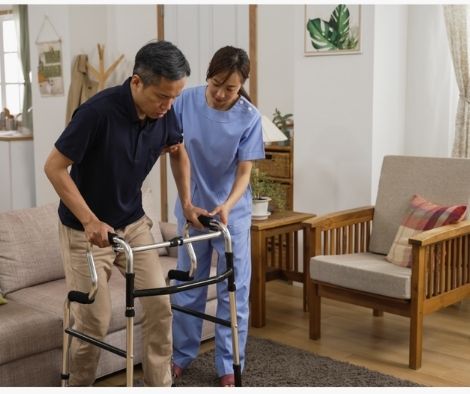
What does needing help change—and what doesn’t it change?

What happens when familiar roles and responsibilities shift?
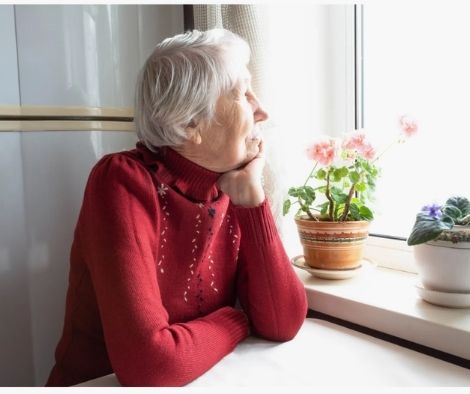
Where do I fit now?
What can I still want, plan for, or imagine?
No single experience belongs in just one box. Work can involve independence, relationships, purpose, money, belonging, confidence, and the future all at once. The aim of this work is not to categorize people’s experiences, but to help us see more of what those experiences contain.

This work remains grounded in Identity Theft: Rediscovering Ourselves After Stroke by Stroke Onward cofounders Debra Meyerson and Steve Zuckerman and in the work that has grown from it.
For Rebuilding Identity After Stroke, Stroke Onward brought that foundation into conversation with research across stroke and acquired brain injury, clinical and community expertise, and lived experience. An interdisciplinary advisory group helped question assumptions, identify what was missing or overstated, contribute additional perspectives and evidence, and test whether the emerging ideas reflected the complexity of people’s actual lives.
This is a starting point—not a claim that the questions of identity after stroke have been settled.
A range of perspectives shaped this work—from psychology, neuropsychology and neurology to disability justice, education, lived experience, community leadership, and systems change.
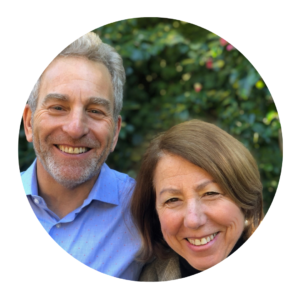
Debra Meyerson was, until her stroke in 2010, a tenured professor of organizational behavior at Stanford University’s School of Education. Debra’s most significant contribution from that period was Tempered Radicals: How Everyday Leaders Inspire Change at Work (HBS Press, 2001). More recently she authored Identity Theft: Rediscovering Ourselves After Stroke (Andrews McMeel Publishing, 2019) and is co-founder and co-chair, with her husband Steve Zuckerman, of Stroke Onward, a nonprofit working to ensure stroke survivors and their supporters have the resources needed to rebuild identities and rewarding lives.
Steve Zuckerman is, along with Debra, Co-Founder and Co-Chair of Stroke Onward; he has been Debra’s carepartner since her stroke in 2010. He has held leadership roles at Self-Help, a nationally recognized economic justice nonprofit, since 2006 and still serves part time as a Senior Advisor. Before that he was a Managing Director at a private equity firm.
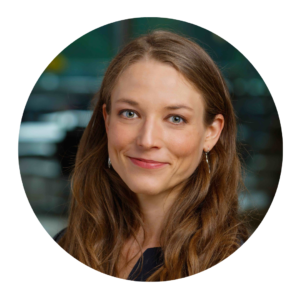
Dr. Sara Pillay, PhD, ABPP, has spent her career at the intersection of brain science and human connection.
As a board-certified neuropsychologist and Associate Professor of Neurology at the Medical College of Wisconsin (MCW), she works directly with stroke survivors and their families to understand and treat the cognitive and communication changes that come with aphasia. She co-directs MCW’s Intensive Program for Aphasia Therapy and leads a communication support group that helps people with aphasia and their families connect with one another beyond the clinic.
Alongside this clinical work, Dr. Pillay is an NIH-funded researcher using brain imaging to study how lesion location shapes language breakdown and reorganization after stroke, work aimed at improving recovery and treatment for people with aphasia.
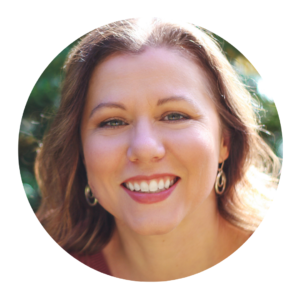
Dr. Jennifer Connor-Smith is a psychologist and educator whose work focuses on helping people navigate life’s challenges. She is passionate about translating psychological science into practical tools that help people understand their experiences, draw on their strengths, and find new ways forward.
As a faculty member, Jennifer studied individual differences in coping and responses to stress and tested treatments for depression and anxiety. As a clinician, she supported people facing stress, trauma, hopelessness, and difficulties managing everyday life tasks.
Today, Jennifer brings her research and clinical experience together to design programs that help people understand their own minds and build the skills they need to thrive. Recent work has included creating OptionB.org resources for people grieving life-altering losses.
Jennifer brings to Stroke Onward a deep understanding of ways to help stroke survivors and their loved ones adapt to profound change and imagine new possibilities.
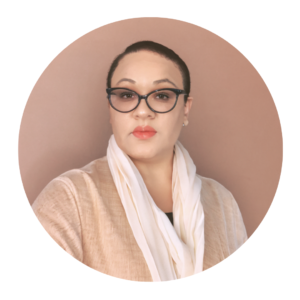
Dr. Darling-Hammond has worked in human development for 30 years, with a focus on creating conditions for thriving (not just surviving or resilience).
A doctor of developmental and social psychology in education, and with experience as a coach, mentor, teacher, researcher, and administrator, Dr. Kia’s insight into people’s dynamic daily lives has come via many paths.
Her Bridge to Thriving framework has enabled transformation for individuals and organizations across sectors, ages, and interests.
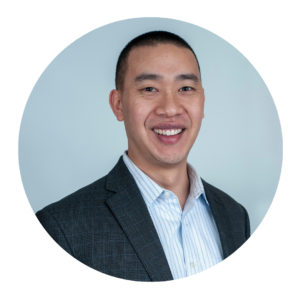
David J. Lin, MD is a critical care neurologist and neurorehabilitation specialist at Massachusetts General Hospital (MGH) and an Associate Professor of Neurology at Harvard Medical School.
In his clinical practice, Dr. Lin cares for patients with acute neurologic injuries including stroke, brain hemorrhage, and traumatic brain and spinal cord injury in the MGH Neurosciences Critical Care Unit. He is the Director of the MGH Neurorecovery Clinic, a program which provides longitudinal, neurorehabilitation-focused care for survivors of stroke and other acute nervous system injuries.
In his research program, funded by sources that include the National Institutes of Health and the Department of Veterans Affairs, Dr. Lin directs the MGH Laboratory for Translational Recovery, an interdisciplinary group of clinicians, scientists, and engineers working together to improve neurorehabilitation for patients recovering from stroke.
Liz Wolfson is an entrepreneurial and visionary leader with 20+ years of experience creating strategic direction, driving operational growth, and cultivating human capital within a variety of nonprofit and corporate settings. Liz deeply believes in the collective power of individuals to find solutions for systemic problems. She thrives in environments committed to and walking the talk of equity, well-being, radical candor, and joy.
Motivated by changemakers Debra Meyerson and Steve Zuckerman, Liz leads the team of Stroke Onward as its founding CEO, determined to raise the standards of post traumatic whole human care for all stroke survivors and their carepartners and communities.
If stroke changed more than abilities—if it changed relationships, roles, independence, belonging, or your picture of the future—this work explores those parts of life after stroke too.
What does the goal someone is working toward make possible in their actual life? This work offers a way to ask broader questions about the person behind the rehabilitation goals.
Rebuilding Identity offers shared language for questions that cross disciplines—and a starting point for further learning, research, and practical application.
Rebuilding Identity After Stroke does not offer a single pathway or tell people who they should become after stroke.
It offers a starting point: language for experiences that can otherwise be difficult to name, a way to ask better questions, and a foundation for what we can learn and build next.
We hope you’ll be part of the conversation.
Join Stroke Onward founders Debra and Steve and all of our colleagues, collaborators and supporters who are helping to create a system that gives all survivors access to a better recovery after stroke, both physical and emotional.
By joining our community, you will get access to helpful resources, and receive our periodic newsletter that includes updates about our expanding work to support survivors and families and improve the stroke system of care.
I’m a speech-language pathologist whose work has spanned the arc of stroke recovery — from those initial moments in the ER to long-term community support. Early in my career, I worked in the Trauma ICU, acute care, and acute rehab units at John Muir Medical Center in Walnut Creek, which shaped how I viewed aphasia awareness from the start: setting people up for success before they go home or to the rehab center, so that communication access wasn’t an afterthought but part of the discharge plan itself. That early lens has carried through everything since — I served as Clinical Director at the Aphasia Center of California, working with adults with aphasia and their families in a community-based setting where the LPAA (Life Participation Approach to Aphasia) and accessibility were central to everything I did. I currently teach as a lecturer at Cal State East Bay, including a graduate course in neurogenic communication disorders, and have supervised students and new graduates throughout my career. My path to this field has been shaped by both clinical training and personal experience, which inform how I approach communication, connection, and recovery.
Reggie Hubbard is a stroke survivor, mindfulness educator, and the founder of Active Peace Yoga, a practice that weaves together yoga, meditation, sound healing, and contemplative tools for personal and collective transformation. A former senior political strategist who worked on major national campaigns and with members of Congress, Reggie turned to mindfulness during a period of professional upheaval — and deepened that commitment profoundly after suffering a stroke. He has guided members of Congress, progressive organizations, and individuals from all walks of life in using contemplative practice to build resilience and find peace. He holds a B.A. from Yale and an M.B.A. in International Strategy from the Vlerick Business School.
In October 2019, I was brushing my teeth when my aorta split. What followed was an aortic
dissection and multiple strokes — three days unconscious, twelve hours of surgery, right side
paralyzed, voice gone. I came out at 160 pounds learning to wiggle a thumb. In the long,
unglamorous rebuild, I found three words that changed everything about how I understand
recovery, identity, and what it means to sit with someone going through the hardest moment of
their life: Bow. Stay. Go. I now work as a Certified Recovery Peer Specialist and speak from
lived authority — not from a podium above the experience, but from inside it, still becoming.
After more than four decades as an editor and writer — most recently as founding editor-in-chief of Knowledge@Wharton — I had a stroke in 2021 that took away the work that had given my life meaning. In the months that followed, I gradually learned to write again with the help of AI tools, an experience I described in an essay titled “How I Learned to Write Again.” I now serve on the board of Stroke Onward and write articles on technology and stroke recovery, interviewing researchers, clinicians, and innovators around the world. My focus is on the emotional and psychological side of recovery — the part of stroke that medical care often leaves unaddressed.
I received my B.S. from UC Berkeley in 1987 and M.S. in Physical Therapy from Boston University in 1990. I have over 35 years of experience, primarily treating patients with neurological diagnoses. I worked throughout the continuum of care from Acute through Outpatient Rehabilitation. In the course of my career, I have taken hundreds of hours of continuing education. Most of my course work has been focused on treating patients with neurological involvement, and I continue to take classes in this area of specialty. I am extremely motivated to help each patient reach their highest potential. I have worked in her private practice along with my business partner, Carrie Sullivan, MSOTR for over 15 years where we primarily work with people recovering from stroke.
My stroke happened in 2019, initially leaving me mute and with right-sided paralysis.
Happily, with aggressive PT and OT, my weakness improved markedly. But despite all my
work, my extreme speech apraxia persisted. Fortunately, there are ways around speech,
and you can find purpose in life in many different paths that don’t depend on speech:
visual arts, music, even meditation and hiking. The key is: Never give up.
I am a licensed clinical psychologist and stroke survivor. In my practice in Warren NJ, I treat children, teens, young adults, couples and families. Before my stroke, I was also a professional musician. I attended the University of Maryland, where I studied psychology and saxophone performance, and worked in music for 10 years while pursuing my doctorate in psychology. I am a performer, scientist, husband, father of 2 young boys, and an experienced speaker.
When my father had a stroke, I stepped into the role of a caregiver while still training as a medical student. Navigating his recovery showed me how much of stroke care happens outside the hospital and reshaped how I think about medicine. I now hope to bring my perspective, centered on the lived experiences of patients and their caregivers, into both my clinical work and advocacy.
I am a former Apple project manager who used the Lead Pathfinder model to reclaim my life after a 2008 stroke. Today, I lead National Aphasia Synergy and champion the Adaptive Growth Culture. We help clinicians and survivors focus on Identity Reconstruction and agency. My mission is to show that even with aphasia, you are still the one holding the map.
I’m an experienced executive who has held leadership roles in both nonprofit and for-profit organizations, and I’ve been my wife Debra’s carepartner since her stroke in 2010. I contributed as an unnamed co-author to Identity Theft: Rediscovering Ourselves After Stroke and later co-authored its second edition. In 2019 I stepped back from other roles to co-found Stroke Onward with Debra, where I focus on strategy, fundraising, and governance. Throughout my career, I have served on numerous nonprofit boards focused on economic, social, and health justice.
I’m a stroke survivor, author, advocate, and professor at Stanford University’s Graduate School of Education. After my severe stroke in 2010, I wrote Identity Theft: Rediscovering Ourselves After Stroke as part of my own journey to rebuild meaning and purpose, and to help others navigate the emotional side of recovery. My husband, Steve, and I co-founded Stroke Onward, where I focus on speaking, shaping our content, and supporting research to better serve stroke survivors and their families. Before my stroke, my academic work centered on feminism, diversity, identity, and organizational change, including my book Tempered Radicals.
I am a speech-language pathologist who has been working with stroke patients since 2010. I
received my clinical and research training from Northwestern University and UCSF. I am now a
professor at San Jose State University where I lead the Spartan Aphasia Research Clinic and
teach classes on aphasia, neuroanatomy, and research methods.
After my stroke in 2015, my life changed in ways I never expected. I live with aphasia,
which affects how I communicate, but it also led me to a new purpose. I founded a
nonprofit organization, Just A.S.K., to support and advocate for individuals living with
stroke, brain injury, and aphasia. Through my work, I continue to raise awareness, break
barriers, and help others feel seen, heard, and supported.
I am a speech-language pathologist who is a strong advocate for the Life Participation Approach to Aphasia. I’ve specialized in group treatment at the Aphasia Center of California and was the Program Director and Clinical Supervisor for the Aphasia Treatment Program at Cal State East Bay. I’ve focused on developing a book club model for people with aphasia and launched the Aphasia Tones Choir.
In 2025, Stroke Onward and the American Stroke Association expanded their partnership across content, storytelling, and research, reflecting a shared commitment to survivor-centered care. ASA publishes Stroke Onward stories and distributes a co-developed lesson module on the emotional journey of stroke recovery to stroke groups nationwide. The organizations also collaborate on speakers for events and SOCC panels. In July 2025, the partnership extended into research, with a team including Flannery O’Neil, MPH, former COO of Stroke Onward, co-authoring “Improving Access to Stroke Rehabilitation and Recovery.”
In 2025, Stroke Onward welcomed new partner Mobia Medical. Their FDA-approved system, Vivistim, pairs vagus nerve stimulation with occupational therapy to improve arm and hand recovery after stroke. The partnership funded Bay Area events, and a Mobia Therapy Development Specialist shared, “The Stroke Monologues were particularly meaningful, and we loved seeing the community you all have created.” This marked the start of an ongoing partnership, with further collaboration planned.
In 2025, Stroke Onward launched a partnership with ElevenLabs to expand access to personalized AI voice technology. SOCC members with speech disabilities and speech therapists receive free multi-year licenses to create custom voices, supporting both communication and the emotional aspects of self-expression and identity rebuilding. Together, Stroke Onward and ElevenLabs are exploring how emerging technologies can responsibly enhance communication and quality of life after stroke.
In 2025, Stroke Onward continued its partnership with Bayer to advance solutions for stroke survivors, particularly underserved groups including BIPOC communities, Veterans, LGBTQ+ individuals, and young survivors. Bayer funded events in five cities and supported SOCC’s development, while Stroke Onward joined two patient forums where survivors shared feedback on care gaps. Co-founder Steve Zuckerman also serves on the advisory board for Bayer’s ELEVATE study, with results expected in 2026.
Ariat International sponsored our Bay Area events in 2025. The performance footwear and clothing brand emphasizes technology and innovation—a perfect complement to our Stroke Monologues and Care Onward panels focused on clinicians who are leading innovative change in stroke recovery.
Susan Poisson has over 30 years of experience supporting businesses across industries including coaching, therapy, and financial services. Her background spans administrative support, customer service, and operations management, focusing on creating organized, efficient systems that support both teams and clients.
She has extensive experience with CRM systems, website management, email marketing platforms, and digital program delivery, in addition to developing workflows and onboarding processes that keep operations running smoothly.
Maryam is a social impact communications specialist with more than four years of experience designing and executing integrated marketing strategies for nonprofit and multilateral organizations, including the UN Girl Up Campaign, Plan International, and Global Partnership for Education.
She studied at the University of Toronto and the University of Oxford, where she pursued research in international relations and historical studies, building a strong foundation in global policy and social issues. Maryam leverages strategic storytelling to align communications with organizational objectives, strengthen brand credibility, and drive impact.
Emily Brower has worked in healthcare, psychopharmacology research, and cardiac research, before joining the team at Stroke Onward. She is passionate about improving the healthcare system and outcomes for patients. Emily also plays professional women’s rugby for the New York Exiles of Women’s Elite Rugby (WER). Emily has a B.S./B.A. from Tufts University in Biopsychology and English. Using her unique educational and professional skills, Emily enjoys communicating and connecting with people from diverse backgrounds.
Hannah Halaska is a strategic communicator and advocate with a growing background in nonprofit work, healthcare communications, and community engagement. From an early age, she has been passionate about helping others navigate health and emotional challenges.
Hannah earned her B.A. in Communication Science and Rhetorical Studies from the University of Wisconsin–Madison. Throughout her academic journey, she organized fundraisers and planned philanthropic events to promote inclusive dialogue in communities.
In 2023, at the age of 21, Hannah experienced a stroke impairing the left side of her brain, affecting her ability to speak, write, read, and process information. She took a year off to recover, and with determination, she graduated in 2025. Her experience revealed the gap between physical and emotional healing after stroke, a realization that now shapes her advocacy.
During her recovery, Hannah was interviewed by the Medical College of Wisconsin for the Imagine More philanthropic event, where she shared her personal experience with aphasia, helping raise funds for neuroscience research. Upon returning to her UW–Madison community, she mentored students with chronic health conditions through the Chronic Health Alliance Mentor Program (CHAMP). Today, she volunteers with the Stroke Foundation based in Houston, Texas, creating accessible resources for stroke survivors and caregivers.
Driven by empathy and lived experience, Hannah continues to build inclusive spaces for members of the stroke community to improve the healthcare system for recovery.
Elsa Duré is an operations strategist and fractional COO with a passion for empowering nonprofits to achieve optimal efficiency and effectiveness through a people-centered approach. She leverages her broad set of experiences to inform effective operations that prioritize stakeholder engagement alongside strategic goals.
Most recently, Elsa served as the Chief Operating Officer at Education Leaders of Color (EdLoC). In this role, Elsa oversaw internal operating capabilities and executed strategic initiatives to optimize day-to-day functions and support the organization’s long-term vision. Before joining the EdLoC team, Elsa worked at Chiefs for Change, where she executed a multi-year, multi-million-dollar fundraising plan and spearheaded diversity, equity, and inclusion efforts across the organization as the Senior Director of Strategic Partnerships and Development. Before Chiefs for Change, she was deputy director at the Diverse Charter Schools Coalition (DCSC), an organization that catalyzes the creation and expansion of high-quality, diverse-by-design public charter schools nationwide. Elsa led strategic initiatives and internal operations at DCSC.
Elsa holds a bachelor’s in psychology and a master’s degree in urban education policy from Brown University. She is a 2015 Pahara NextGen Leader.
Jordan leads strategic initiatives at Stroke Onward that connect brand, content, and community to support the emotional journey of stroke recovery. She brings over a decade of experience in educational programming, inclusive content strategy, and community building across the nonprofit, education, and public sectors.
Before joining Stroke Onward, Jordan led program and content development at LeanIn.Org, with a focus on equity-centered, educational, and community-driven initiatives. She is deeply committed to building responsive, inclusive programming and reimagining what healing can look like–not only in terms of what we regain, but in who we have the power to become.
Monica has been improving health care for over 15 years within hospital systems, government agencies, and health insurance. Her work focuses on changing the incentives in health care to be truly patient centered and to create health. As a result, she has impacted hundreds of thousands of patients, constituents, and customers nationwide.
This is her first dive into innovating the world of stroke recovery, but she already believes it’s only possible with mission-aligned partners. At Stroke Onward, she develops and manages our relationships with organizations that seek to integrate emotional health into post-acute care.
A proud alumna of Smith College, Duke’s Fuqua School of Business, Massachusetts General Hospital, CMS/CMMI, and Kaiser Permanente, she brings a unique blend of systems thinking, practical know-how, and deep commitment to health equity.
Talk to Monica about partnerships with Stroke Onward, sports, local politics, and summer camps.
Jieun Choe is the Chief Product and Marketing Officer of Viz.ai, where she drives product and marketing strategy and execution to scale the company’s AI-powered healthcare platform. Prior to Viz.ai, she was Chief Strategy and Marketing Officer at Certara, a global leader in biosimulation and model-informed drug development. Earlier in her career, Jieun held product and strategy roles at Guidant and Boston Scientific. She is passionate about building technology that reduces clinician burden, improves patient outcomes, and drives meaningful adoption in healthcare. Jieun holds a BA in Public Policy and Economics from Stanford University and an MBA from Stanford’s Graduate School of Business.
David J. Lin, MD is a critical care neurologist and neurorehabilitation specialist at Massachusetts General Hospital (MGH) and an Assistant Professor of Neurology at Harvard Medical School. In his clinical practice, Dr. Lin cares for patients with acute neurologic injuries including stroke, brain hemorrhage, and traumatic brain and spinal cord injury in the MGH Neurosciences Critical Care Unit. He is the Director of the MGH Neurorecovery Clinic, a program which provides longitudinal, neurorehabilitation-focused care for survivors of stroke and other acute nervous system injuries. In his research program, funded by sources that include the National Institutes of Health and the Department of Veterans Affairs, Dr. Lin directs the MGH Laboratory for Translational Recovery, an interdisciplinary group of clinicians, scientists, and engineers working together to improve neurorehabilitation for patients recovering from stroke by understanding systems neuroscience mechanisms of motor function and recovery. Dr. Lin is a graduate of Harvard Medical School (2013), completed Neurology residency at Mass General Brigham in 2017, and completed dual fellowships in Neurocritical Care and Neurorecovery at MGH and MGH-Spaulding.
Mukul is an Associate Fellow at Oxford University’s Saïd Business School and a consulting editor of Oxford Business Review. Mukul experienced a stroke in 2021 and was a guest author on our column with the American Stroke Association on his experience as a stroke survivor.
He is the founding former editor-in-chief and executive director of Knowledge@Wharton (K@W), the web-based journal of research and business analysis published by the Wharton School of the University of Pennsylvania. He edited and managed K@W for more than 22 years until his retirement in 2020. In 2020-21. He was a Senior Fellow at the research centres Wharton AI for Business and Wharton Customer Analytics.
Mukul has won four awards for investigative journalism and has more than 40 years of experience as a writer and editor. His articles have appeared in The Wall Street Journal, The New York Times, The Economist, Time magazine, The Philadelphia Inquirer and other publications.
He co-authored Lasting Leadership, Knowledge@Wharton on building corporate value and has written, co-authored or edited three other books. In 2020 he edited an award-winning book, Transformation in Times of Crisis, by Nitin Rakesh and Jerry Wind.
Mukul has a master’s degree in economics from the University of Bombay.
Liz Wolfson is an entrepreneurial and visionary leader with 20+ years of experience creating strategic direction, driving operational growth, and cultivating human capital within a variety of nonprofit and corporate settings. Liz deeply believes in the collective power of individuals to find solutions for systemic problems. She thrives in environments committed to and walking the talk of equity, well-being, radical candor, and joy.
Liz has spent much of her career working for as well as coaching CEO’s and philanthropists in manifesting their corporate and social impact projects locally, nationally and internationally.
Nonprofit organizations benefiting from Liz’s work include Farm Sanctuary, The American Montessori Society, The Rose Institute (for homeless youth), and the Dobkin Family Foundation. Corporate work includes creating the first global internal communications division for Comverse, a world leader in voice activated systems, and raising seed-funding for TaskMail, the first Jordanian/Israeli tech start-up company.
Always up for a challenge, at age 40, with a newborn in her arms, she thought it the perfect time to start up her dream project that would model for her children what it would mean to vision, create, struggle, and succeed. Feeling that educational opportunities for those identifying as girls in America were insufficient to match the reality of growing up in today’s world, Liz became the Chief Visionary Officer of the Girls Athletic Leadership Schools Inc., a game-changing educational model focused on positive gender identity, relational learning and integrated movement as pedagogy. Under Liz’s leadership, GALS Inc. opened 5 schools in three states in ten years and inspired 2 international schools.
Motivated by changemakers Debra Meyerson and Steve Zuckerman, Liz leads the team of Stroke Onward as its founding CEO, determined to raise the standards of post traumatic whole human care for all stroke survivors and their carepartners and communities.
Reyne Martinez has over a decade of experience in the non-profit world. Before joining Stroke Onward, Reyne was a Corporate Engagement Coordinator with PBS North Carolina and directed outreach branches within the nationwide organization The Dream Center. She holds a B.A. in Business Administration and a Technical Writing, UX Design, and HR Administration certificate. Reyne has a familiar and personal connection to stroke and deeply believes in the importance of mental health. She currently lives in North Carolina and continues to find ways to advocate for accessibility to mental health services.
Steve Zuckerman is an experienced executive who has held leadership positions in both non-profit and for-profit organizations. He is Debra Meyerson’s husband since 1988, carepartner since her stroke in 2010, and an unnamed co-author of Identity Theft: Rediscovering Ourselves after Stroke (Andrews McMeel Publishing, 2019) and co-author of the second edition (2025). In 2019 he scaled back other leadership roles to co-found Stroke Onward with his wife Debra. In addition to his role on the board, Steve’s significant volunteer commitment to Stroke Onward focuses on organizational strategy, fundraising, and governance.
In 2006, Steve launched a California presence for Self-Help, a nationally recognized economic justice nonprofit based in Durham, NC. In 2008, he co-founded Self-Help Federal Credit Union, where he continues to serve part-time as President and Senior Advisor to Self-Help’s west coast operations. His first career involved 14 years with McCown De Leeuw and Co., a private equity firm, where he was a Managing Director. Throughout his career, Steve has served on numerous nonprofit boards supporting economic, social and health justice, including Tides Foundation, Positive Coaching Alliance, and Renaissance Entrepreneurship Center. He currently serves on the BU Sargent Clinical Advisory Board and the ACT for Aphasia Stakeholder Advisory Board (University of Pittsburgh). Steve earned a BA from Yale University and an MBA from the Stanford University Graduate School of Business.
Whitney Hardy grew up in Truckee, California where she excelled academically and athletically. Competing at an elite level of soccer throughout her childhood fueled a fierce and team-driven spirit. She left California for Boston to attend Tufts University where she was a four-year member and two-year captain of the Women’s varsity soccer team.
After graduating from Tufts in 2010, Whitney spent a year traveling both the United States and South America before moving back to Boston for work in 2011. From 2011 to 2014, she lived in a tiny apartment in South Boston and worked at a venture debt firm. Then came the evening of February 20, 2014.
This evening began like any other typical evening for Whitney: after a long day of work, she went for a run as a way to decompress. Whitney recalls the night of the accident–or rather, she recalls what she has been told. “I don’t actually remember getting hurt. From the information I’ve been told…I liked to go for runs after work to mentally release all of the stress and feel better about getting exercise. So I went for a run and it was dusk out, which in the long run wasn’t a good idea, but that’s in the past.” It was dark. Whitney was moving fast. So was the car. Whitney shares, “my head hit the ground so hard that I suffered a traumatic brain injury (TBI) during the accident.”
When asked at what point she begins remembering the timeline, Whitney explains that she doesn’t know. She says, “I can tell you what I don’t remember though: any of the time in the hospital at the Boston Medical Center in the trauma unit, at Spaulding Rehab Center, leaving the hospital, or moving into the first apartment complex that I lived in.” This is months of hospital time erased from her memory. She suffered a TBI and continues to experience short-term memory loss and executive function impairment to this day.
Three and a half years after her injury, in 2017, Whitney moved back home to Truckee. Now just under a decade after her injury, Whitney is continuing to explore her identity, the impacts of her injury, and the growth from living with TBI.
The struggle between independence and dependence is something that Whitney has faced post-accident. She said: “Before I got hurt, I was the one doing all the planning for parties… I’ll take care of organizing that and text you guys and you can all come. And now, I don’t have that ability. I kind of just have to ask or plan way further in advance. Another big part of the transition is learning that it is okay to ask for help. That is something that I’ve learned from this trip. It’s not something abnormal to have to ask for help. It’s not because you got hurt that you need help, it’s just natural.”
There is a lot that changed post-injury to her way of life that she still struggles with today. She explains, “That’s kind of the hardest part for me. I don’t like to accept that life is different so I just keep pushing and sometimes I do too much or I take on too much and I don’t have the awareness of the fact that it is overdoing it. So that’s a really hard part for me, saying no, I can’t do that where I want to but I’m overloaded…I don’t want to feel like [I] have to give up everything [I’ve] done before [I] got hurt but it’s changing hats and accepting that it’s not the same way. [I] can’t do what you used to do in the same way. [I] have to write things down, [I] have to focus on [my] abilities at the moment…After I was injured, I couldn’t do anything independently for a long time. So that’s kind of the definition of my life. Okay so what has my team done and how can I kind of create independence from that.”
When asked what Stroke Across America means to her, Whitney talks about how it’s hard to just describe in one sentence;“it means camaraderie and raising awareness for a team effort of brain injuries and their caretakers and the survivors because it’s not just a one person effort.” After her injury, Whitney explains “the definition of my life” became her support system and the effort put forth to help her grow.
Team is a keyword in Whitney’s vocabulary because of the way the interdependence that comes with teammates has shaped her life, both pre-accident with soccer and post-accident in everyday life. Interdependence is a valuable lesson for everybody to understand, and one that Whitney exemplifies in her life.
Whitney is just one of many who suffer from TBI. To her other TBI survivors and teammates out there, Whitney has a message: “Be patient because things aren’t going to change quickly and you have to accept that life as you had is now different and you have to alter the normal. So what was isn’t what is and just adjusting to that acceptance.”
Michael Obel-Omia currently resides in Barrington, Rhode Island with his wife, Carolyn, and three children, Jackson, Liza, and Zachary. Prior to his stroke in 2016, Michael was an educator at many different schools including Perkiomen School, Roxbury Latin, William Penn Charter School, Paul Cuffee School, and Cambridge Friends School, where he held titles including English teacher, headmaster, and Director of Admissions.
His entrance to education was not a planned one: in 1986, the course he wanted to take while at Middlebury College was closed, so a professor recommended the course Black American Literature. Michael shares how it was from here, this Black American Literature Course, where he fell in love with English and education: “It was fantastic. 1986. Terrific. Great great course. Wonderful wonderful wonderful stories by black writers. I loved it. [Previously] I wanted to be a lawyer or something, but I fell in love with English in 1986. I started to read everything from there. I fell in love with teaching.”
Aside from a passion for English, cycling has been a major component to Michael’s life. In 2009, Michael cycled across the country for the first time. Anaheim, CA to New York City, NY. “12 days, 12 guys, 24 hours a day. Unbelievable. It felt great. Cycle Across America, one way or another.”
Fast forward a few years, on May 21, 2016, Michael suffered an ischemic stroke. In the aftermath of the stroke, Michael struggled to accept the changes that would occur in his life at first, but eventually has come to accept the changes in his identity. He explains, “I had so many ambitions, so many ideas, I wanted to do so much more. And there I had an ischemic stroke. But who I am, what I am, what I do, is driving.”
In his post-stroke life, cycling and English remain key aspects to Michael’s life. After he got home from the hospital, Michael hopped on a stationary bike. His goal: the Pan Mass Challenge, a 75 mile ride through Massachusetts. Michael recounts this experience: “So in June 2016, I got on a bicycle. Every day I bicycled, I bicycled, I bicycled, it was stationary of course. I said let me out. Carolyn, who I love so much- I said I need to go out. She said you can’t do it. I said I have to do it.”
A month later in July, Michael finally “got out” and on a bicycle outside. “I got on a bicycle in July 2016. I got on a bicycle and I bicycled on a bicycle path. I was so happy. Four miles total, I fell three times. I bicycled, I stopped, I fell down. Turned around, passed the YMCA, fell down. Cycled home, crashed. Three times, four miles, three times, crash crash crash. I was so dispirited, so sad, but I was determined to do something. So September 25, 2016, I cycled 25 miles. Within four months of stroke, to cycle 25 miles, I cycled 25 miles to say I could do this. I had a stroke, I could do this. I say I’m a cyclist.”
In addition to his identity as a cyclist, English has continued to leave a lasting imprint on Michael’s life. Shortly after his stroke, Michael wrote three articles for NPR’s This I Believe because “I love to talk about what I am doing. Aphasia is difficult communication, but I try so hard to speak everything right now with aphasia.” With this, “every day, every day, every day, five and a half years, I write in my journals. Everything I am doing. Now 475 people every day [receive] what I journal from aphasia.” Michael’s musings have become a part of his daily routine, where he summarizes his day to hundreds of loved ones from all aspects of his life.
In his musings, Michael also includes a poem that reminds him of the day. Poetry is another key part of Michael’s identity. After his stroke, he explains “I couldn’t say much, so I started writing poetry.” After a few of his poems were published, he decided to create a compilation of them. This birthed Finding My Words: Aphasia Poetry, his published book of poetry. Michael explains his relationship with poet as “So now I’m a poet. I love that. Poetry is what it is, unlike anything else, poetry is expressing myself, my feelings. Because of poetry, I can write down my difficulties and my problems. So I sit down to write poetry. Some of it is no good, but some of it is very powerful.”
Stroke Across America has proved to be both rewarding and challenging for Michael. He says, “I can do this every day. Every day. I gotta do it. Every day. Every day I gotta do it. I can do this. My hands hurt sometimes, my left hand is pretty weak. I have to ride, I have to do Stroke Across America. Tomorrow morning, I’ll be very anxious. I’ll wake up early tomorrow morning, I’ll be anxious. 64 miles. Can I do it? Can I do it again? But I’ll do it.”
In everything Michael does, he lives the motto “improving, always improving.”
Emily grew up in North Caldwell, New Jersey, and is currently a student at Washington University in St. Louis studying Environmental Analysis, Global Health, and the Business of Social Impact. In addition to her studies at school, Emily is a member of the Varsity softball team (go bears!) and is always up for an adventure to go find dessert. She got involved with Stroke Across America through her Grandfather, Joe Golden, who has ridden his bike across the country twice before having a stroke. Her internship role, among other responsibilities, is helping to coordinate events, and of course, providing endless love for Rusti.
Alex Rubin is a rising senior and member of the varsity softball team at Washington University in St. Louis. An architecture major and business of sports minor, however, her true passions lie more within creative media and the outdoors. Aside from bathing Rusti and serving as comedic relief for the trip, Alex manages on-the-road content for social media and documentary purposes.
Patrick Brannelly is the founding CEO of The 10,000 Brains Project, a philanthropic initiative that supports the use of AI in the development of better treatments and diagnostics for neurodegenerative disorders. Prior to this, he was a member of the Health & Life Sciences team at Gates Ventures, where he served as the Director of Partnerships & Business Development for the nonprofit Alzheimer’s Disease Data Initiative. Earlier in his career, he was a Managing Director at the Rainwater Charitable Foundation, where he led a consortium that sought to accelerate the development of new treatments for neurodegenerative disorders. Pat has also worked in early-stage brain health technology ventures and as a management consultant in the US and Europe. He is a former Assistant Professor of entrepreneurship and strategy at California State University, Fresno. A frequent member of boards and committees within the neuroscience community, he currently serves as a Steering Committee member of the OECD’s Neuroscience-inspired Policy Initiative. Pat holds a BA in Psychology from Harvard College, an MBA with Distinction from Harvard Business School, and an MSc with Distinction in Applied Neuroscience from King’s College London.
In addition to her service on the board of Stroke Onward, Karen Jordan has been involved with JDRF since 2008, when her daughter Ali was diagnosed with autoimmune Type 1 Diabetes. She is a member of the International Board of Directors, Chair of the Research Committee (which provides strategic guidance and governance for JDRF’s grant portfolio), and Vice Chair of the Funding Committee. She also serves on the JDRF T1D Fund Board, a venture philanthropy fund with $175MM assets under management, and on JDRF’s Northern California Chapter Board. She is a member of the Joint Steering Committee for the JDRF Northern California Center of Excellence at Stanford and UCSF. She is the inaugural recipient of JDRF’s John Brady Award for Innovation.
Karen is Chair of the Stanford Medicine Community Council, and serves on the Stanford Health Care Board and the Stanford Athletics Board. She is the recipient of the Stanford University Governors’ Award.
Her previous non-profit work includes service on different boards including, among others, Starlight Children’s Foundation, Stanford GSB Alumni Association and the Portola Valley School District. She was a member of the group who founded Summit Prep, a charter school profiled in Waiting for Superman.
Karen earned her B.A. in Economics-Business from UCLA and her MBA from the Stanford Graduate School of Business. She has completed TPW’s year-long program on strategic philanthropy. She has worked as an investment banker and with the Mayor’s Office in Los Angeles.
Tony Stayner is the Managing Director of the Excelsior Impact Fund, a charitable fund that represents contributions from multiple families and invests to create the world we want for future generations. He is a member of the Toniic T100 impact investor network and helps lead impact investing activities at SV2. In 2019, he was honored to receive the Laura Arrillaga Andreessen Social Impact Award. He has used his experience as a Silicon Valley software executive to mentor numerous social entrepreneurs. He also serves on the boards of the Pacific Institute and of Water.org. Tony’s MBA is from Stanford’s Graduate School of Business and JD is from the University of California at Berkeley’s School of Law (he attended Harvard Law School during his third year of law school on an exchange program). Tony graduated Phi Beta Kappa with an A. B. in Economics and Mathematics from the University of California at Davis.
Debra Meyerson is an author, advocate, and a professor at Stanford University Graduate School of Education. Following her severe stroke in 2010, Debra wrote Identity Theft: Rediscovering Ourselves after Stroke (Andrews McMeel Publishing, 2019); second edition 2025). Writing Identity Theft began as a critical part of her personal journey to rebuild her own life outside mainstream academia. It became the foundation for maintaining meaning and purpose in her life despite her ongoing disabilities – helping other stroke survivors and those closest to them rebuild their identities after a trauma like stroke, and navigate the critical and often overlooked emotional journey in recovery. With her husband, Steve Zuckerman, she co-founded Stroke Onward to expand and accelerate that work. In addition to her role on the board, Debra’s significant volunteer commitment to Stroke Onward focuses on speaking engagements, deepening the content built into their work, and supporting related research projects.
Prior to her stroke in 2010, Debra’s academic work focused on feminism, diversity, identity, and organizational change. Debra’s most significant contribution from that period was Tempered Radicals: How Everyday Leaders Inspire Change at Work (HBS Press, 2001). More on her selected publications here. Debra currently serves on the board of the Pacific Stroke Association (PSA), the BU Sargent School Constituent Advisory Board, and the Stakeholder Advisory Board for Acceptance Commitment Therapy (ACT) for Aphasia research project (University of Pittsburgh). Debra received her B.S. and M.S. from M.I.T. and a Ph.D. in Organizational Behavior from Stanford University. Her full CV can be accessed here.
Jodi Kravitz has always worked at the intersection of social mission and innovation. Before being recruited to help launch Stroke Onward, Jodi worked for almost a decade with FIRST, an award winning nonprofit STEM inspiration program. Her responsibilities with FIRST LEGO League included program operations and partner relationships in more than 80 countries. She began her career working in strategic planning and other key roles for multiple national healthcare providers. Jodi has volunteered extensively for public television and other causes from her home on the seacoast in New Hampshire. Jodi received an MBA from Vanderbilt and a BA from Yale University.